
More adventures of the dynamic duo of Croqueta & Empanadilla, this time in Japan. Based on a true story.
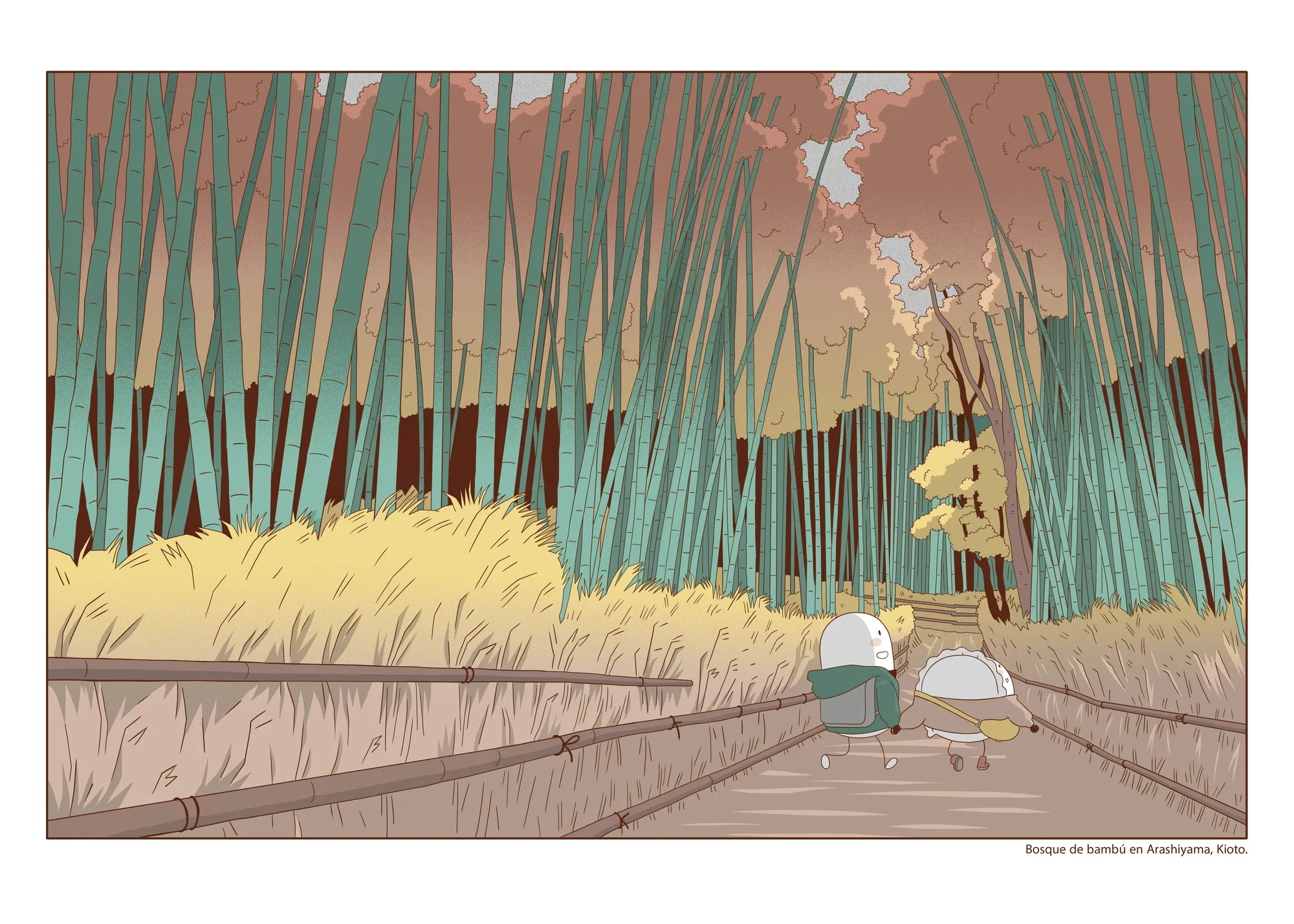
More adventures of the dynamic duo of Croqueta & Empanadilla, this time in Japan. Based on a true story.
Upon finishing Ishiguro’s last novel, I borrowed, as it turned out, his first.
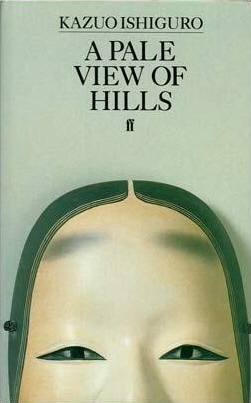
A Pale View of Hills is very different from Klara and the Sun but equally enjoyable. The narrator, Etsuko, moves between “now” (unspecified year) of England and “then” (unspecified year) of post-war Nagasaki. The dialogues in “then” Japan are invariably repetitive and are bound to get on some reader’s nerves. I loved them. They add, dare I say, authenticity. (I have no clue how they talked in post-war Japan but, in general, people repeat themselves all the time.) Etsuko’s conversations with her father-in-law, Ogata-San, are the best.
A little later that morning, Ogata-San emerged from his room dressed in his jacket and tie. |
L’amour en fuite, released 20 years after Les quatre cents coups, brings the adventures of Antoine Doinel to an almost happy end. And, as it happens, it brings to the end the Antoine Doinel cycle by Filmoteca Canaria. I guess I would have enjoyed this comedy more if I didn’t see the other parts of the saga. The flashbacks, taken from the previous films, were not exactly necessary and some of them way too long. The torn-up photo story, however, is utterly brilliant.
Starring Jean-Pierre Léaud as Antoine, Claude Jade as Christine, Marie-France Pisier as Colette, Dani as Liliane, and introducing Dorothée as Sabine.
Antoine Doinel (Jean-Pierre Léaud) is now happily married to Christine (Claude Jade), however his affair with Kyoko (Hiroko Matsumoto) is about to destroy the idyll.
Unlike Les quatre cents coups, this 1970 film is a pretty light-hearted comedy. There are some conspicuous similarities between Domicile conjugal and Bergman’s 1973 film Scenes from a Marriage (Bergman and Truffaut admired each other).
This was the fourth instalment of Las cinco edades de Antoine Doinel. Alas, I missed the third one!
Aprile, dolce dormire.
This is what we’ve seen this unusually cold and rainy (by Canarian standards) April.


Three exhibitions in Casa de Colón:
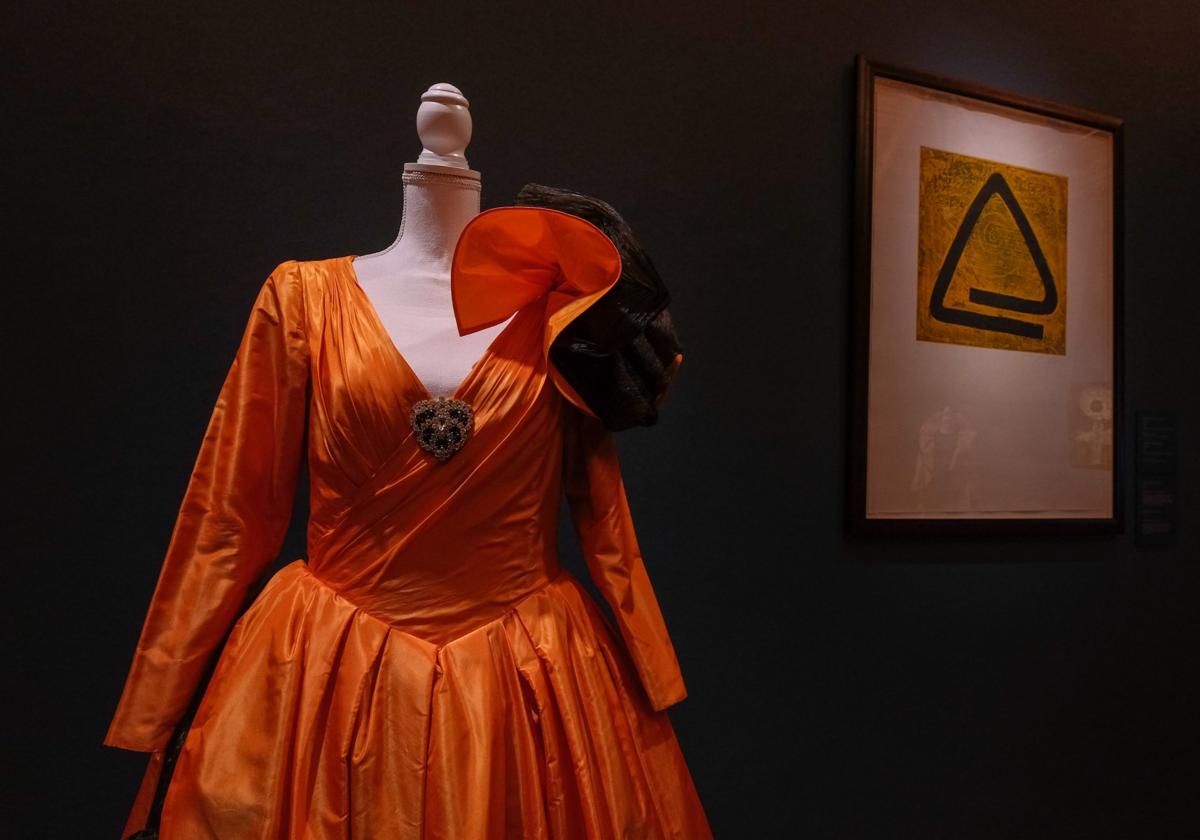


And two more:

And that was it for April.
Mónica Cruz says that when she was a child, Víctor Ullate was considered to be a dancer of the caliber of Baryshnikov and Nureyev. Maybe. I first heard his name yesterday — fittingly, on International Dance Day, thanks to Filmoteca Canaria.
It was no one else but Antonio Gades who, after seeing Víctor dancing, insisted that the boy had to study ballet. So Ullate was accepted to the school of María de Ávila in Zaragoza — the first male student there. In 1964, he became a principal dancer of the Ballet du XXe siècle of Maurice Béjart. How cool is that?
Like many biographical documentaries, this one suffers from too many talking heads and too many too short snippets of actual Ullate performances. Still, I’m glad I watched it. Now to do my own research.
This film was screened as a part of the cycle Tiempo de memoria, memoria en el tiempo.
I first spotted the name of Kazuo Ishiguro on the back cover of Homo Deus. I had no idea who he was, so I looked him up. Wow.
Next thing, I went to the library in search of his books. And there they were. I picked this one, read the first page and took it with me.

The mildly dystopian society of the novel is dystopian only mildly because it’s pretty much like the present, at least in the West. (Replace “lifted” with “priveleged”, “oblong” with “smartphone”, and “The Yard” with “nursing home”.) The protagonist, Klara the Artificial Friend, religiously follows the First Asimov’s Law — to the degree of self-sacrifice. And how do the humans repay her, the ungrateful monkeys they are? (Jessie the cowgirl of Toy Story springs to mind.)
...Manager placed a hand on my shoulder and said, in a quieter voice than before:
‘Let me tell you something, Klara. Children make promises all the time. They come to the window, they promise all kinds of things. They promise to come back, they ask you not to let anyone else take you away. It happens all the time. But more often than not, the child never comes back. Or worse, the child comes back and ignores the poor AF who’s waited, and instead chooses another. It’s just the way children are. You’ve been watching and learning so much, Klara. Well, here’s another lesson for you. Do you understand?’
I like the way Ishiguro writes. As far as I know, his other works are not narrated by intelligent gynoids, so I don’t expect to find this particular style there. Off to the library to check out the next novel.


