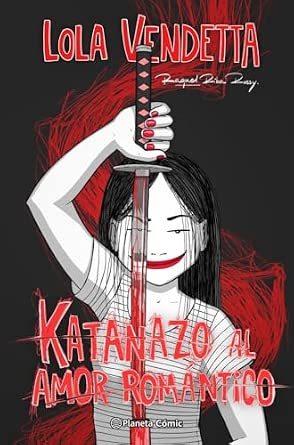
Didn’t I tell you that Lola’s katana won’t stay in its cabinet for long? Well, it depends what one means for “long”. Five years including pandemic could be
an awfully long time. By 2023, Lola was back with the first part of Katanazo. In the 2026 follow-up, the sword was finally used to Lola’s (and my) satisfaction.
Katanazo is perhaps the darkest of Lola Vendetta comics. First introduced in Una Habitación Propia, Death, God and Pepito the dog return to provide much-needed comic relief. No spoilers but look for those QR codes!
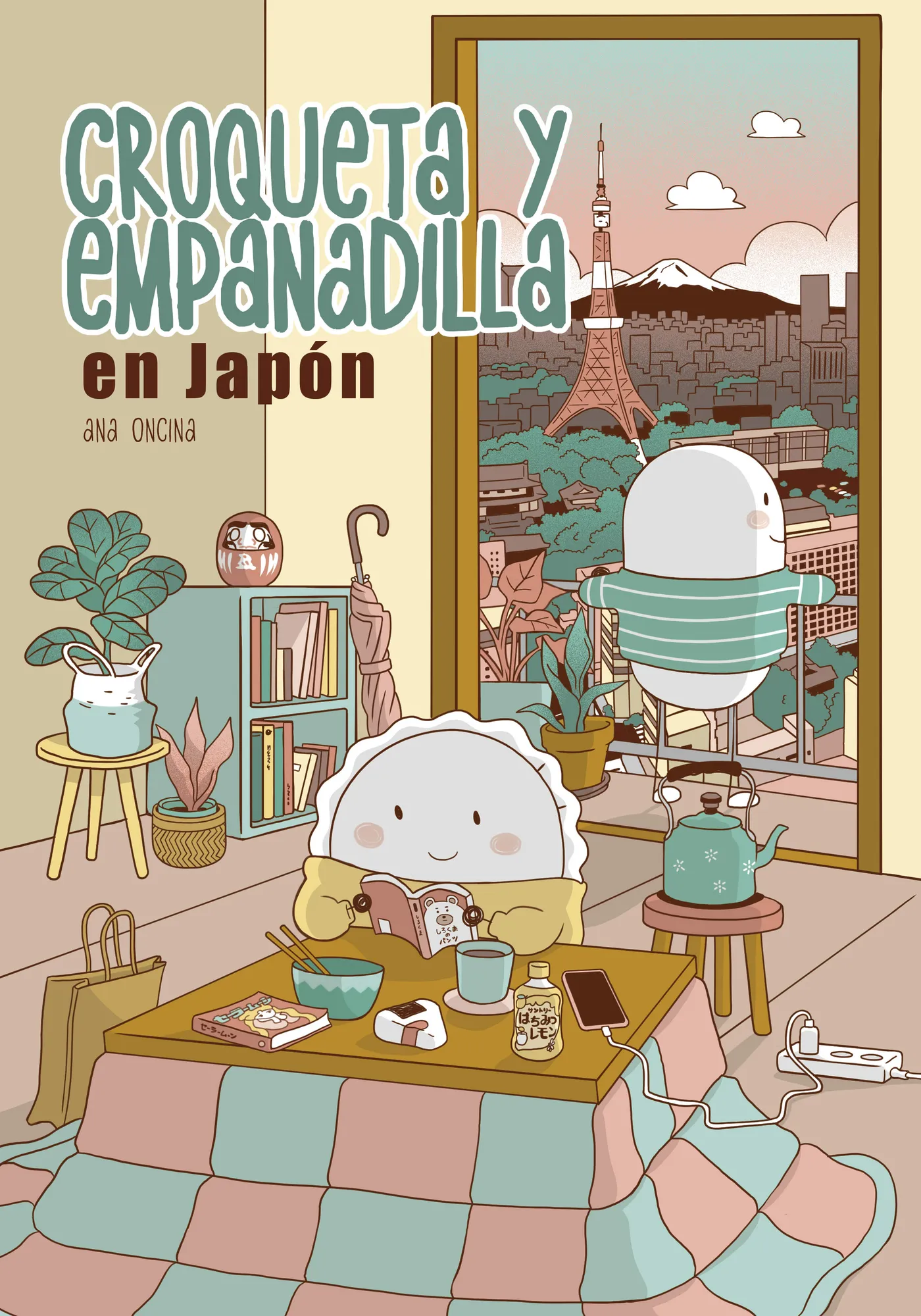
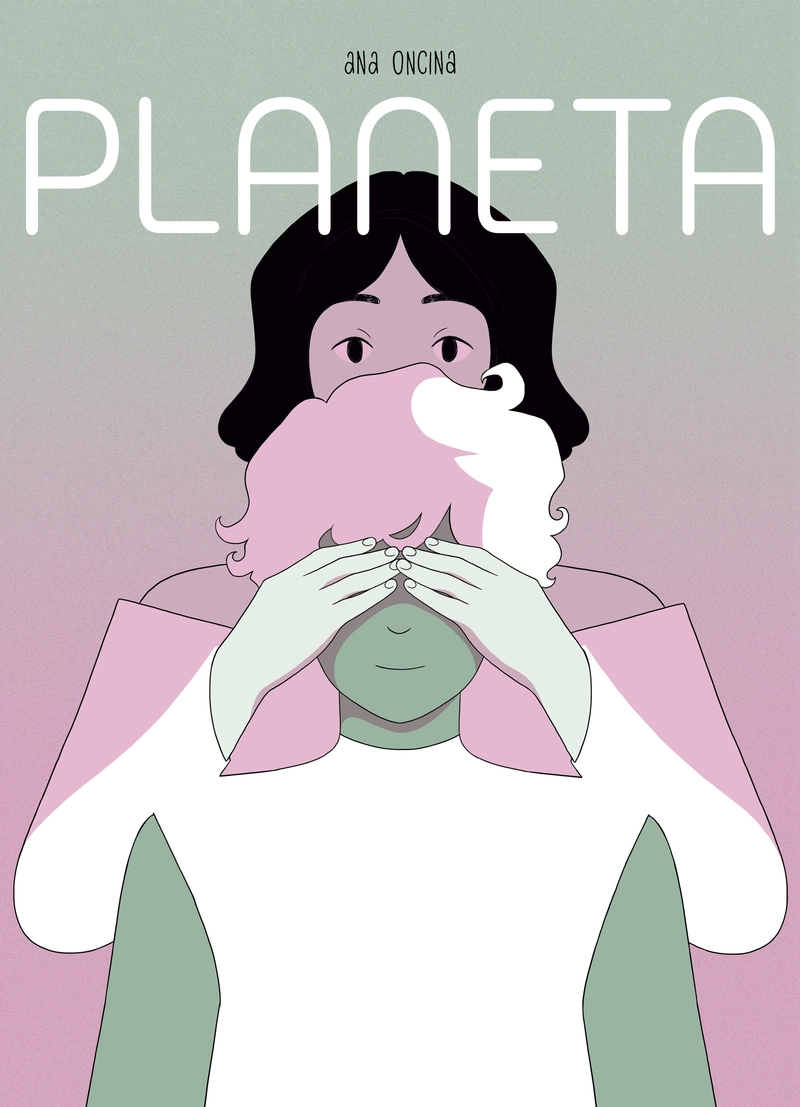
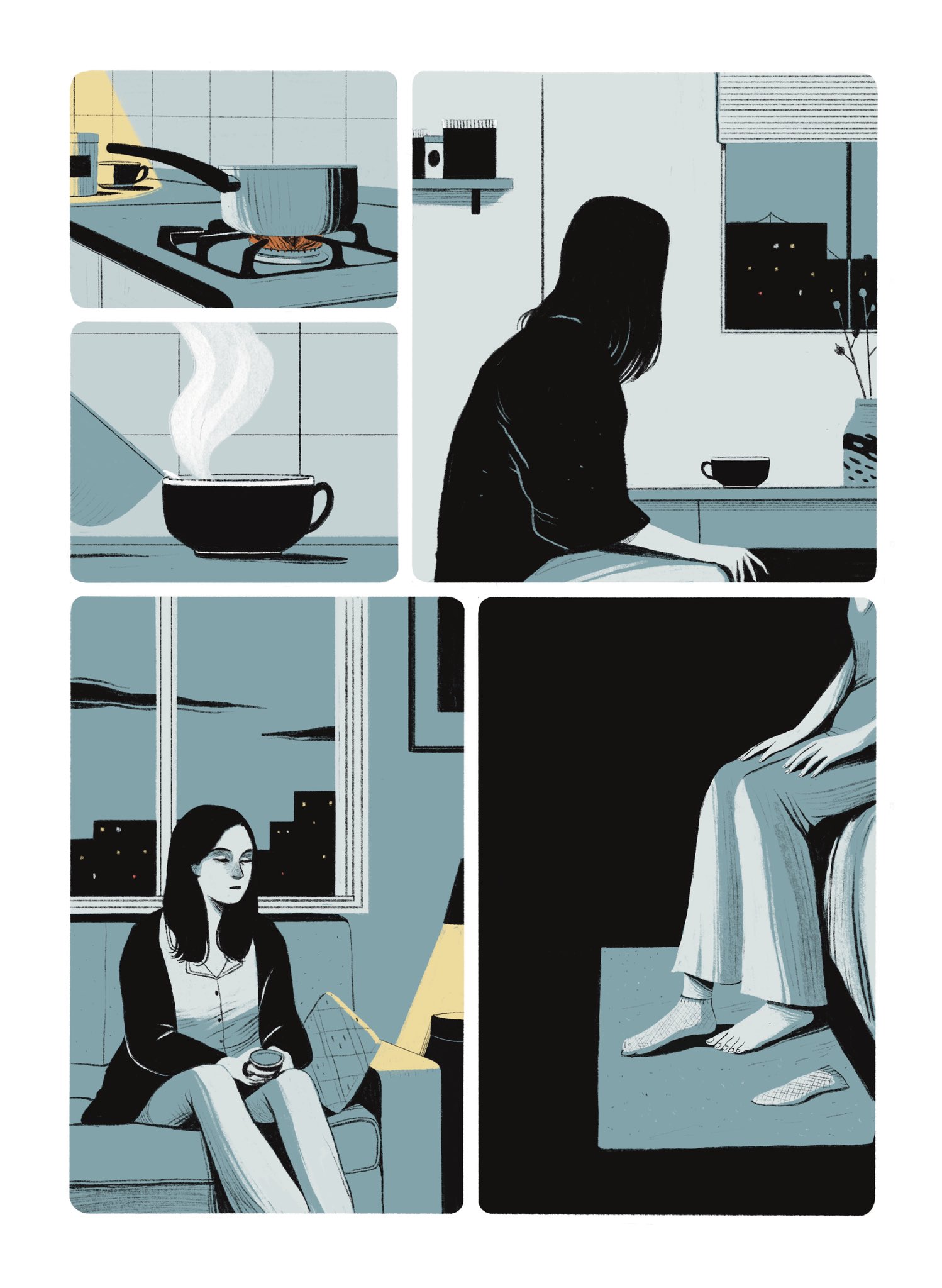
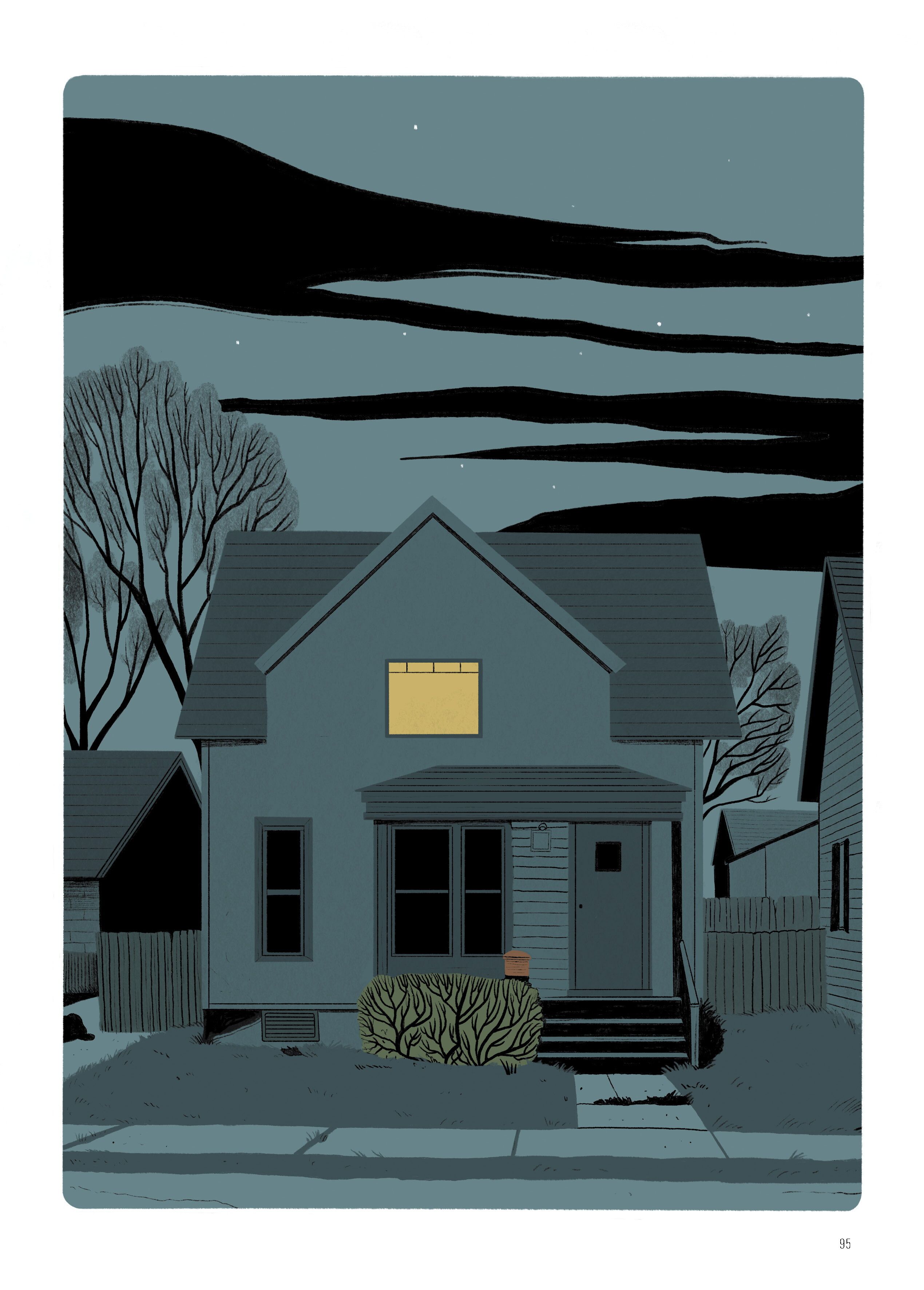
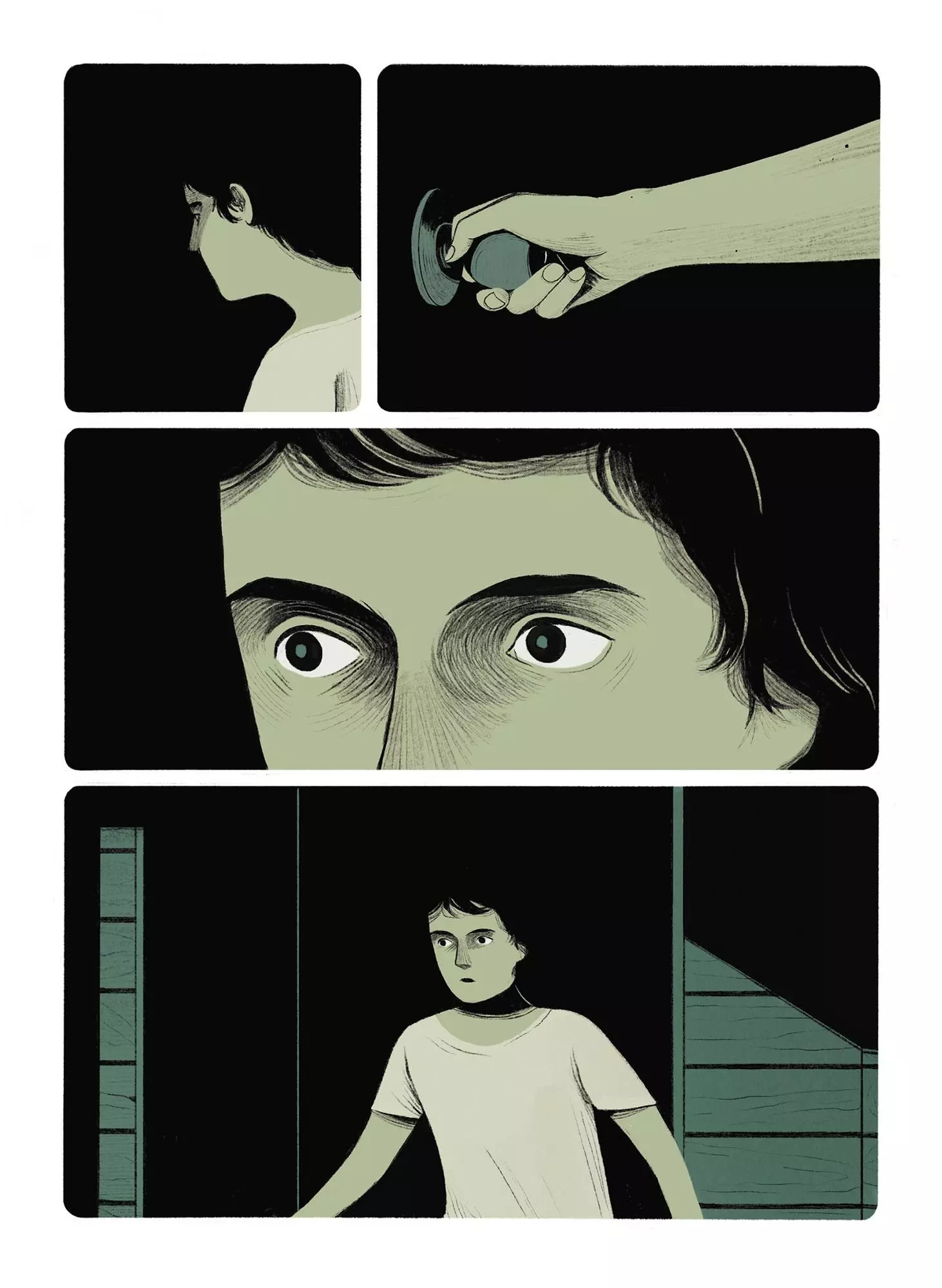
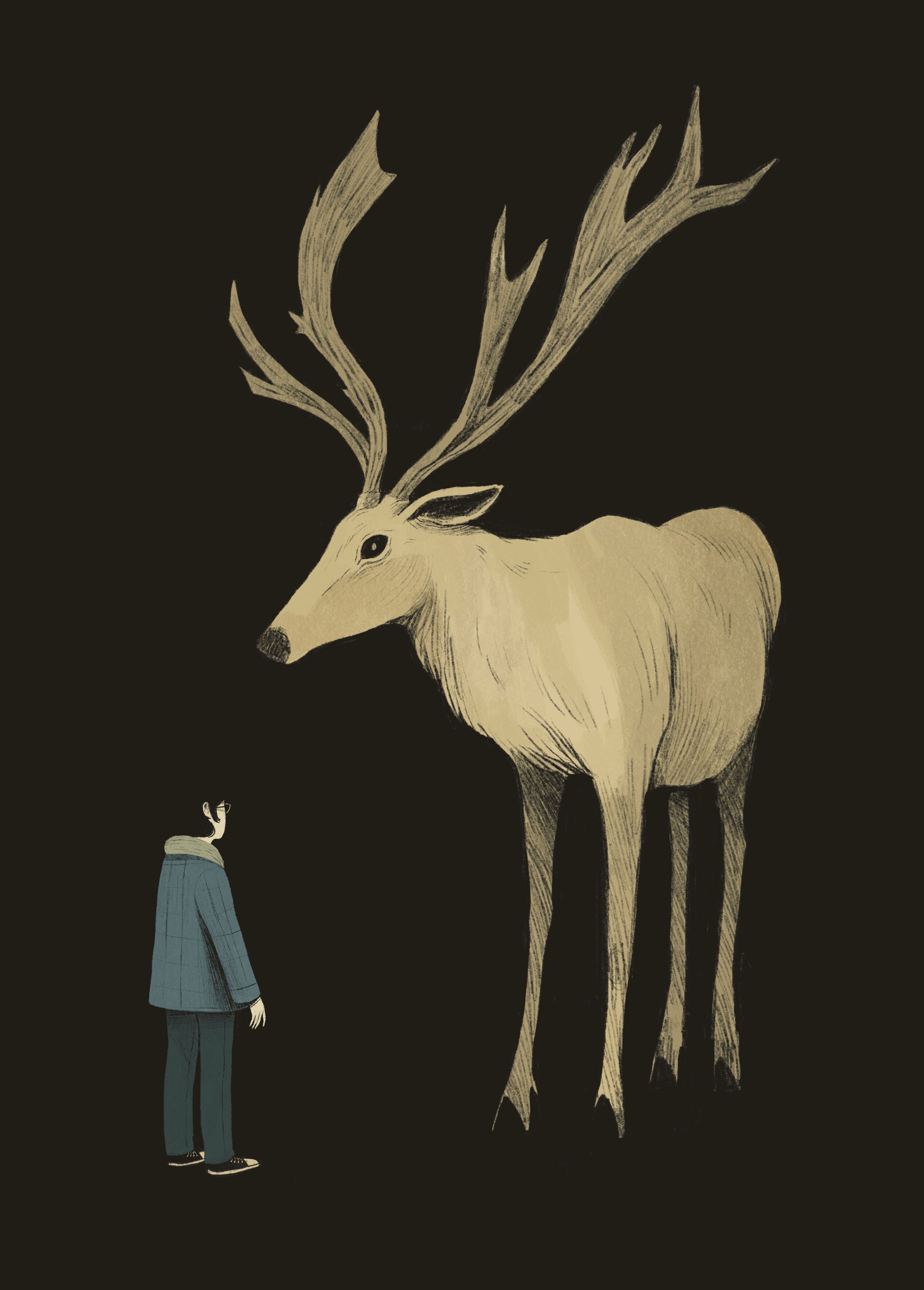
From the author of Croqueta y Empanadilla comes something completely, utterly different. Also, profoundly beautiful. And as much unsettling. You’ll feel unsettled if you couldn’t figure out what is reality (F, “forest”) and what is dream (P, “Planeta”), especially when in P you also dream about F. As Valentina does. On top of that, in P all human communication, apart from that with live-in partner, happens in virtual reality (V).
The same checklist here as in Bakshi’s debut feature, plus some clumsy live action and pinball. Heavy Traffic mostly consists of zoomorphic humanoids, not too different from anthropomorphic beasts of Fritz the Cat but uglier. The only attractive character is Carole (Beverly Hope Atkinson). What did she find in Michael the pinball-not-exacty-wizard (Fritz 2.0? Future Bakshi?) is anyone’s guess. The soundtrack is really good, would be even better without Scarborough Fair.
Sex, drugs, rock’n’roll, profanity, graphic violence, politically incorrect jokes — in other words, “something to offend just about everyone”. I must say Fritz the Cat didn’t offend me that much. Perhaps it haven’t aged that well then. The thing is, at 78 munutes, the film is way too long for the message, if there was any. I don’t mind sex between anthropomorphic barnyard animals, I’d appreciate (proportionally) more rock’n’roll, and I really could live with less violence. Cut it to 20 minutes, I say, and we’ll talk. Of course, Billie Holiday and Bo Diddley are great. Some of them jokes still work —
We interrupt the Israeli–Arab war for this special announcement. The President, after conferring with Israeli Prime Minister Golda Meir, has agreed to send more arms to Israel, based on the return of New York City and Los Angeles to the United States.
— and some of them don’t. “Radical left”, what radical left? By now, there’s no left left in the US.
Even bigger problem for me is that I didn’t find the protagonist lovable, or charismatic, or interesting in any way. The only character I sympathised with was Harriet the horse, maybe because she reminded me of the donkey from The Bremen Town Musicians.
Confused plot and too many dead or wounded dragons for my liking. It’s the romance between a Hawaiian strongwoman princess and a pansexual mermaid, coupled with a wicked sense of humour, that makes this comic worth checking out.
A year after their father’s death, his three adult children return to their family home in the country. To spruce it up before selling, no doubt. As the memories flood back, they don’t seem to be that sure.
I wish them all the luck in the world and... hope they keep the house.
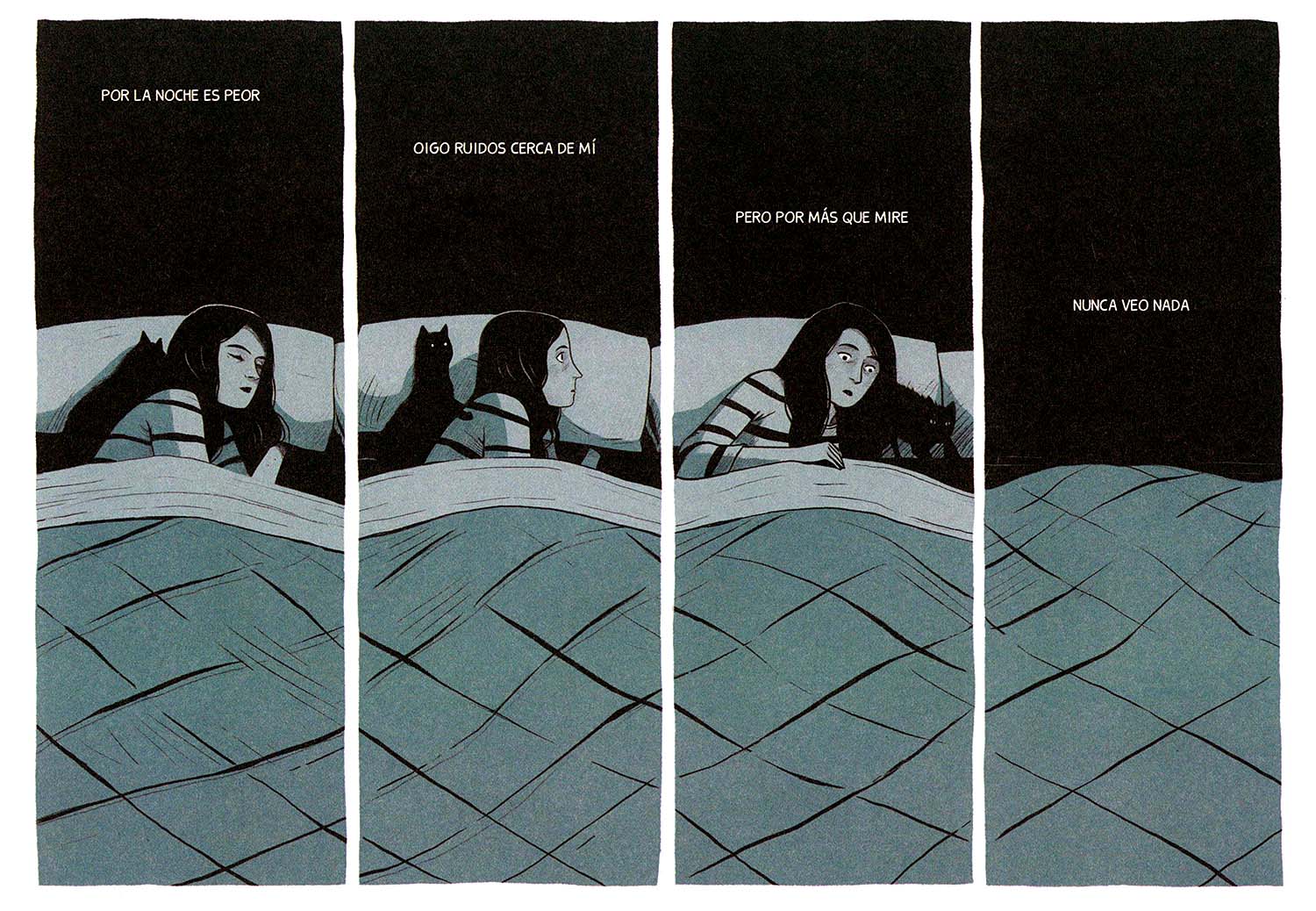
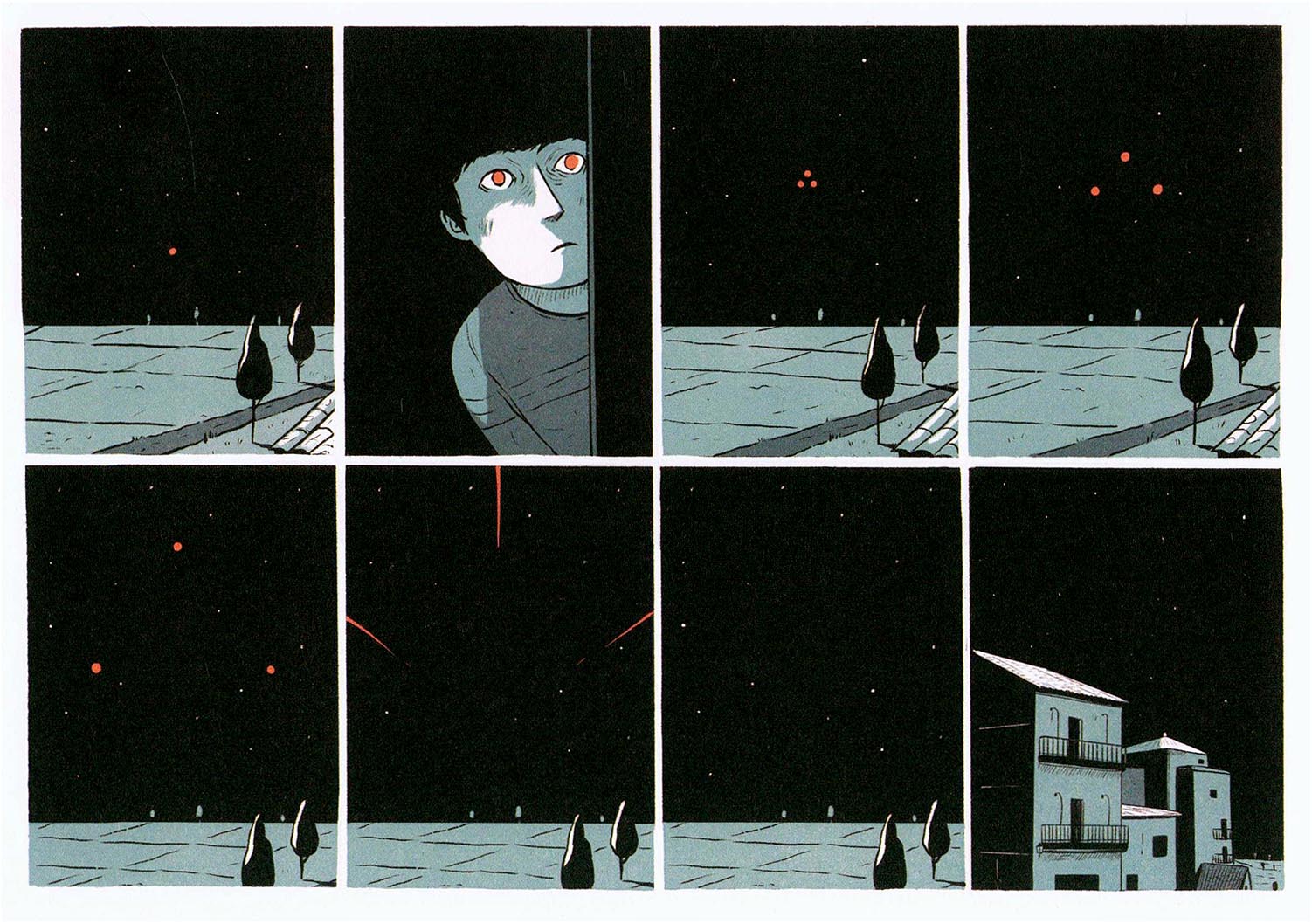
Another deliciously dark work from the Valencian comic artist. Like Ocultos, it consists of several “stories”, or, rather, fragments of stories. This time, however, they are not named. So they make you to wonder how to name them as well as how they could end (or start, for that matter). The one where a man has “the same dream” reminded me the part of Finn Family Moomintroll where the exotic plants start growing from the Hobgoblin’s Hat.
Contrary to what bookshops and even its own publisher, Planeta Cómic, say, this book is not a graphic novel but, well, an anthology. Mostly short stories, mostly autobiographical — but not all. Más mujer is a chapter of Morder la manzana by Leticia Dolera and Raquel Riba Rossy. Por una falda de plátanos is a collection of fragments from an essay by Almudena Grandes rather than a complete one. And Soledad is an illustrated song by Amaral. Of the complete stories, my favourite is Mzungu.
I saw this artist’s drawings for Espanto at Centre Cultural La Nau, Valencia last November and fell in love with her illustrations. So when I saw this book — for which the author won the first ever award El Ojo Crítico in the category “comic” — in the library, I simply had to borrow it.
There are several apparently unrelated “stories”, if one can call them so. The common thread is not as much as presence of something hidden or unknown but rather different sensations, emotions, dreams and experiences related to that unknown. I liked Atávico the best: it reminded me of both Contact and Spirited Away.
The base band of Javier San Miguel (sax), Carlos Pizarro (guitar), Diego Gutiérrez (drums), Manuel Cavero (double bass) with the guests Pancho Arredondo (trumpet), Nadir Ibarra (tenor sax), Adela San Miguel (drums), Rafa Santana (piano) and others.
A quartet featuring Nico Alvear (guitar), Iván Ceballos (electric bass), Marz García (drums) and Juan Saiz (sax, flute). Themes of Wayne Shorter, Freddie Hubbard and, closer to the end, a wonderful rendition of Nature Boy. Watch the full concert here.
There were shows at the Plaza del Ayuntamiento both Friday and Saturday; I only came to see these two Saturday evening:
Another “not-quite-flashmob” choreographed by Lucía Serrano, accompanied by Jose Hernández (cante), el toque de Antonio León (guitar) and y la percusión de Dani Peña (percussion).
Tablao by Compañía Paula Rodríguez, featuring the very Paula Rodríguez (baile), Jose Luis Medina (guitar), Roberto Lorente and Niño Ginés (cante).
18 November: Luna Sefardita @ Salón de Actos E.T.S. de Náutica de la Universidad de Cantabria, Calle Gamazo, 1
Ana Alcaide (vocals, nyckelharpa), Bill Cooley (percussion) and Rainer Seiferth (guitars).
What I saw during my (way too) short holidays in Valencia:
Four exhibitions at Museu Valencià de la Il·lustració i de la Modernitat (MuVIM), Carrer de Quevedo, 10, Valencia:
A fascinating exhibition covering various aspects of design applied to health, from medical illustration and pills to CoVID-19 propaganda and sex toys.
Consultorio de Elena Francis was a Spanish radio programme broadcast between 1947 and 1984. In spite of her utter non-existence, the fictitious agony aunt Elena Francis was tremendously popular: every month, women from all over Spain were sending her some 20,000 letters. Invariably, Ms. Francis recommended patience and submission. From 1966 and till the programme’s demise, it was actually a man, one Juan Soto Viñolo, who single-handedly dispatched those advices to anxious radio listeners. The booklet of the exhibition (in Valencian and Spanish) is available here.
A sample of the creative process of Joan Martí (1946—2004), the author of Els Guardians del Pont (“The Guardians of the Bridge”) of the Pont del Regne de València.
A three-dimensional recreation of the Father Tomás Vicente Tosca’s map of Valencia (1704). The detailed description available as a PDF file in Valencian, Spanish and English.
Four exhibitions at Centre Cultural La Nau, Carrer de la Universitat, 2:
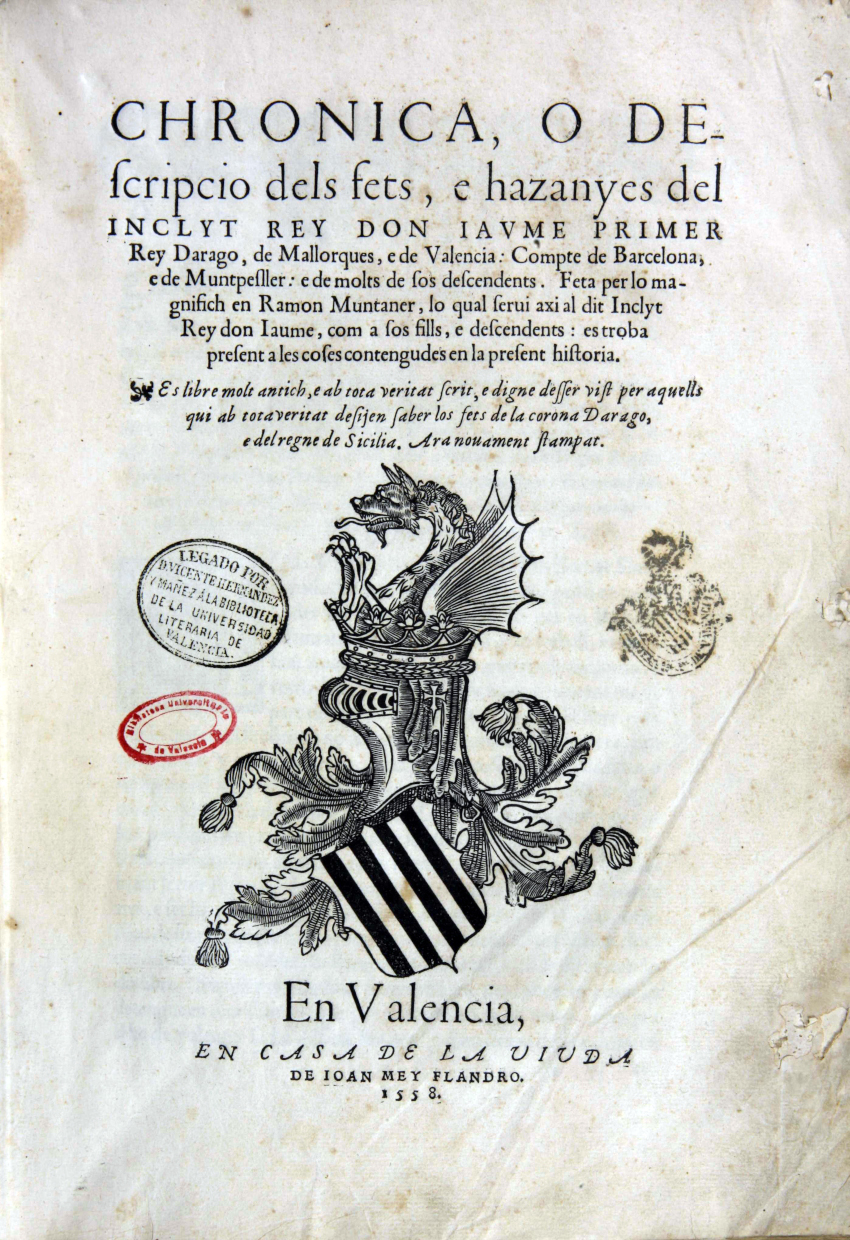
No tan invisibles: Dones en la impremta Valenciana. Segles XVI al XXI.
Documenting the role of women in Valencian printing industry from 16th centrury till now.
The drawings by Manuel Sanchis i Guarner for his fundamental book La Ciutat de València. Síntesi d’història i geografia urbana (1972), none of which, however, made it into the final edition.
The only concert I attended in Valencia had to be this one! Some new songs and old favourites that I first heard (and fell in love with) five years ago. Featuring Oliver Baroni (double bass, vocals), Emanuela Hutter (vocals, guitar), Duncan James (lead guitar, baritone guitar, vocals) and Sylvain Petite (drums).
Back to Santander and counting the days to go home.
Some films provide such obvious American remake fodder that you just want to draw a protective circle around them to ensure that people experience the unassuming charms of the original.
From imaginary and picturesque vikingdom to modern-day Norway: grey, rainy, with the sea nowhere in sight. Norwegians nowadays ain’t no Vikings either: yes they still can shout “Blood and suffering!” but only when playing Warhammer.
I hope this does not discourage you from watching Ninjababy. Who cares about the Vikings anyway?
Based on the graphic novel Fallteknikk (Fall Technique) by Inga Sætre and featuring the latter’s animation, this hilarious and poignant film stars Kristine Kujath Thorp as Rakel, Nader Khademi as Mos, and Arthur Berning as aptly nicknamed Pikkjesus (“Dick Jesus”, or “Jesús de las pollas” in Spanish subtitles); the animated Ninjababy is voiced by Herman Tømmeraas. Watch out for the scene of Rakel posing as Fatima at the pre-adoption meeting for prospective parents.
An entertaining collection of charming, if not particularly deep, comics, in the same vein as Ajo y agua and, by extension, Problemas del primer mundo. Unfortunately, the Spanish translation, faithful to the French original, kept the author’s favourite “unintelligible scribbling” font which I find quite annoying.
Not exactly a graphic novel but rather a collection of seven graphic short stories, each named after its protagonist: Chloe, Mathilde, Alison, Sylvia, Faith, Elikya and Fleur. The story of Faith touched me the most; and Fleur provided the well-needed happy end for the whole book.
Is the message of Irreplaceable really about women empowerment? Or is its lyric “I” just a last minute-feminised version* of Leonardo DiCaprio upgrading his latest swimsuit model girlfriend to, um, a newer model? Can we even feel† love in the times of late capitalism? Is love a threat for capitalism?
If you needed a proof that Sweden can produce much better things than IKEA meatballs and toxic waste, here it is.
A quienes tuvieron que abandonar su lugar y a quienes se quedaron como extraños en su tierra.
Mass tourism, property boom and bust, gentrification and displacement on the Mediterranean coast through the eyes of three generations. Don’t let the subject scare you off: the second graphic novel by Ana Penyas (Valencia, 1987) must be one of the best Spanish comics of 2021. Even The Guardian paid attention.
Penyas combines drawing with collage and “multimedia” which include
A fragment of España es para usted (1964), a Francoist-era guide edited by the Ministry of Tourism;
This gorgeous book (“nueva edición ampliada”) combines the two parts previously published as separate volumes. I loved the illustrations; less so the plot. The original French title is Secrets: L’Angélus. What secrets? The complicated family history of Clovis is a secret only to Clovis himself; the rest of the town seem to be well informed. The miraculous appearance of an unaccounted for relative is as believable as a Bollywood movie. And then there is this annoying symmetry between the parts (volumes) where (a) Clovis leaves home as his wife Isabelle is convinced that he is cheating on her and (b) Isabelle asks Clovis to move back in, knowing that he is not cheating on her. (On both occasions, she is mistaken.) The painting of the title (the one by Millet, followed by a few more by Salvador Dalí) turns out to be, indeed, a far-fetched pretext for Clovis to see Evelyne — just as the latter suspected from the start.
Now Evelyne, a free-spirited art teacher, kind of modern-day Pippi Longstocking, is much more interesting. Why don’t we get to know her story?
The first and the last time I’ve been to the Gran Canaria Espacio Digital was 12 March 2020, to see Mujeres al alba. Immediately after that I received the message that all activities in this centre were suspended until... well, much later than they (and everybody else) expected. The nationwide state of alarm was declared on 14 March. So no Lola Vendetta workshop for us, and no Amparo Sánchez talk either.
One year later, RRR published one more Lola Vendetta comic. To my joy, Lola dumps the cuddly boy acquired in the previous book and adopts a dog instead. Which, we know by now, is a wise move in times of pandemic. Oh, right: in between these events, pandemic starts and goes on; Lola moves to the titular own room (a nod to that essay by Virginia Woolf) and leaves her katana behind... Surprisingly, the new, katana-less Lola continues to be cool. To the degree that God finally engages in conversation with her (confessing that the internet connection is not that good up there). For me, Lola’s witty and touching chats with Death (a woman) are the best.